
How to Clean Vinyl Windows: Frames, Tracks and Stains
Quick answer: To clean vinyl windows, wipe the frames with warm water and mild dish soap using a soft cloth or brush, clean the tracks with a small brush, rinse and dry. Avoid abrasive pads, harsh solvents and high-pressure spray, which can scratch, dull or warp vinyl. For stains and mildew, a diluted vinegar solution or baking soda paste usually works.
Vinyl is popular because it is durable and low maintenance, but low maintenance is not no maintenance. Dust, pollen and moisture collect on the frames and in the tracks, and dirty frames can undo the work you did on the glass. Here is a safe routine.
What you need
- Warm water and mild dish soap
- A soft cloth or microfiber towel
- A soft brush or old toothbrush for corners and tracks
- A vacuum with a brush attachment for loose debris
- White vinegar and baking soda for stains
- A squeegee or dry cloth for the glass
How to clean vinyl window frames
1. Vacuum or brush loose dirt
Run a vacuum brush attachment along the frame, sill and tracks to remove dust, insects and debris before adding water, which turns dirt into mud.
2. Wash the frames
Mix a few drops of dish soap into warm water. Wipe the frame with a soft cloth, working from the top down so drips do not run over cleaned areas.
3. Clean the tracks
Use a small brush to loosen dirt from the tracks and corners, then wipe with a damp cloth. Clean tracks make sliding windows easier to open. If tracks are packed with grime, see our screen and track cleaning service.
4. Rinse and dry
Rinse with clean water and dry with a towel. Leaving water sitting on frames and tracks can invite mildew.
5. Finish the glass
Clean the glass last so no drips fall on it. Our guide to cleaning windows without streaks walks through the method.
How to remove stains from vinyl windows
- Mildew or black spots: Mix equal parts white vinegar and water, spray, wait 10 to 15 minutes, scrub gently and rinse. For mold specifically, follow the safety steps in our guide to mold on window sills.
- Yellowing or grime on white vinyl: A paste of baking soda and water applied with a soft cloth lifts light staining. Rinse well.
- Mineral spots: A vinegar soak helps, as covered in our guide to removing hard water stains from windows.
What to avoid on vinyl
- Abrasive scrubbers, steel wool and gritty powders, which scratch the finish
- Strong solvents such as acetone or paint thinner
- Pressure washers set high, which can crack or warp frames and push water inside. See can you pressure wash windows.
- Harsh bleach mixtures, particularly mixed with other cleaners
Always test a small, hidden area first, and check the manufacturer’s care guidance for your product.
How often should you clean vinyl windows?
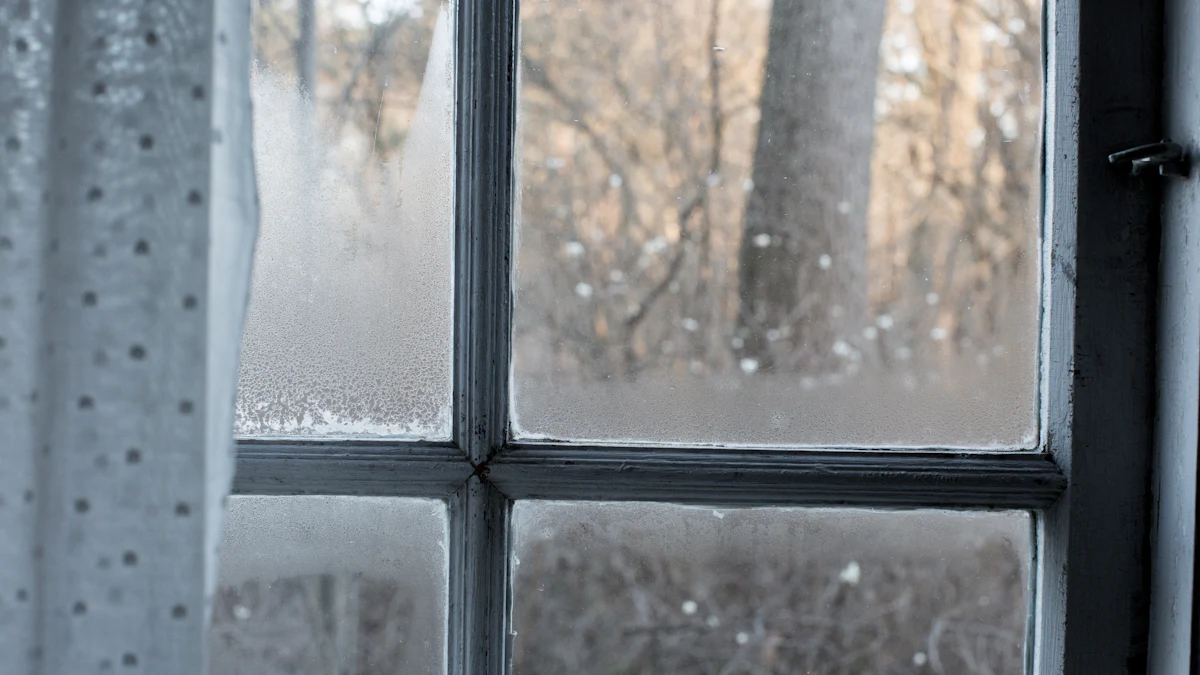
Wipe the frames and tracks a few times a year, and wash the glass whenever it looks dirty. Homes in damp, wooded or dusty areas may need it more often. Wiping condensation off frames in the cooler months also helps prevent mildew.
Frequently asked questions
What is the best cleaner for vinyl windows?
Warm water with a few drops of dish soap is the safest everyday cleaner. Use diluted vinegar for stains and mildew.
Can I use bleach on vinyl windows?
Diluted bleach is sometimes used on tough mildew, but it can discolor some finishes and must never be mixed with other cleaners. Vinegar or soap and water is a safer first choice.
How do I remove yellowing from white vinyl windows?
Try a baking soda paste with a soft cloth. Heavy discoloration may be permanent sun or age damage.
Can I pressure wash vinyl windows?
It is better not to. High pressure can damage frames and force water past the seals. Use a hose and soft brush instead.
How do I clean the tracks on vinyl windows?
Vacuum out loose debris, scrub with a small brush and mild soap, then wipe clean and dry.