
What Causes Condensation on Windows (and How to Stop It)
Quick answer: Condensation on windows happens when warm, humid indoor air touches glass that is colder than the dew point of that air, so moisture turns to water droplets. It is mainly a sign of high indoor humidity or cold glass, not a leak. Lower the humidity, improve airflow and keep the glass warmer to reduce it.
Seeing water on the inside of your windows on a cold morning is normal in many homes, especially in the wet, cool months. It becomes a problem when it is constant, because moisture left on frames and sills can feed mold and damage finishes. Understanding where the moisture is forming also tells you whether the cause is your home’s humidity or a failed window.
What causes condensation on windows
- High indoor humidity. Cooking, showers, laundry, drying clothes indoors, houseplants and even breathing add moisture to indoor air.
- Cold glass. Single-pane windows and older glass are colder on the inside surface, so moisture condenses on them more readily than on modern insulated glass.
- Poor air movement. Heavy curtains, blinds and furniture trap humid air against the glass.
- Sudden temperature swings. Warming a cold house quickly can create short bursts of condensation.
- Tight, poorly ventilated homes. Well-sealed houses hold moisture unless it is exhausted.
Where the moisture appears matters
Condensation can form in three places, and each points to a different cause:
- On the inside of the glass. The most common type. It means indoor humidity is high or the glass is cold.
- On the outside of the glass. This happens on clear, humid mornings when the exterior glass is colder than the outdoor air. It is normal and usually means your windows are insulating well.
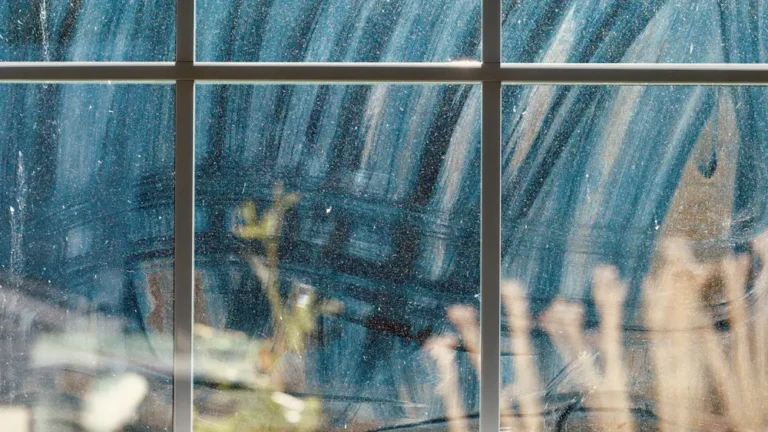
- Between the panes of a double or triple pane window. This is not ordinary condensation. It usually means the seal has failed, and it cannot be wiped away from inside the room. A specialist can confirm this by inspecting the glass.
How to reduce condensation on windows
- Run bathroom and kitchen exhaust fans during and after showers and cooking.
- Use a dehumidifier in damp rooms, aiming for an indoor humidity level that keeps glass dry.
- Open blinds and curtains during the day so air can move across the glass.
- Avoid drying laundry indoors without ventilation.
- Open windows briefly on dry days to exchange humid air.
- Wipe moisture off glass and frames in the morning so it does not sit.
Why wiping it matters
Moisture that stays on frames and sills can lead to mold, swollen wood and peeling paint. Wipe frames and sills dry each morning, and treat any dark spots promptly.
When condensation signals a bigger problem
- Condensation appears between the panes and will not wipe away.
- Water pools on the sill or runs down the wall.
- Frames feel wet or soft, or paint is bubbling.
- The glass stays foggy even after humidity is controlled.
In these cases the cause may be a failed seal, a leak or a ventilation problem, and it is worth having a window or building specialist inspect it.
Frequently asked questions
Is condensation on windows bad?
Occasional condensation is normal. Constant moisture can damage frames and encourage mold, so it is worth reducing.
Why is there condensation on the inside of my windows in winter?
Warm indoor air contains moisture, and the cold glass cools that air until the moisture condenses. More indoor humidity and colder glass mean more condensation.
Does condensation mean my windows are failing?
Not on its own. Moisture on the room-side surface is usually humidity. Moisture trapped between double panes is the sign of a failed seal.
What humidity should my home have to avoid condensation?
There is no single number, because it depends on outdoor temperature. As a rule, if glass regularly runs with water, indoor humidity is too high for the conditions.
Will cleaning my windows stop condensation?
No. Cleaning does not change the humidity or glass temperature, though keeping glass and frames clean and dry helps prevent mold. For a streak-free finish after wiping, see how to clean windows without streaks.