How to Clean Windows Without Streaks: 8 Steps That Work
Quick answer: To clean windows without streaks, wash the glass with a mild soap-and-water solution, remove it with a squeegee in one continuous pass, wipe the blade between strokes, and avoid cleaning in direct sun. Streaks are almost always leftover cleaner or minerals, not dirt, so the goal is to remove everything you apply.
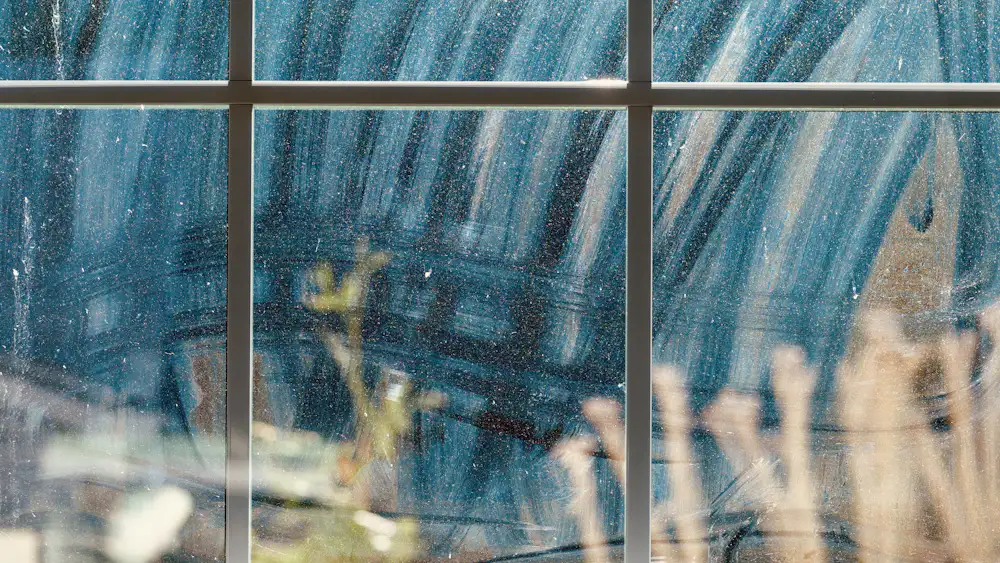
Streaks are the most common complaint after a DIY window clean. They show up because cleaner dries on the glass before you remove it, because a dirty cloth smears grime around, or because hard water leaves mineral film behind. Once you know what causes them, they are easy to prevent.
Why windows streak in the first place
Streaks are residue. Four things cause most of them:
- Cleaner that dries before you wipe it off, which is common in direct sun or on warm glass.
- Too much product. A heavy dose of cleaner leaves a film no cloth fully lifts.
- Dirty or linty tools, such as a used paper towel or a cloth that already holds oil and dust.
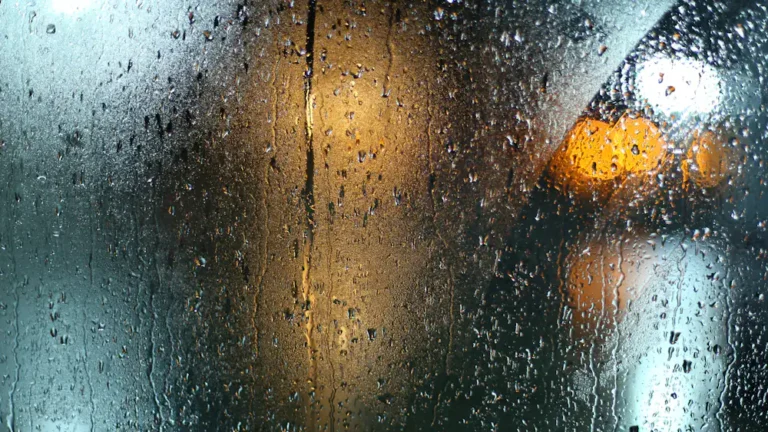
- Hard water, where dissolved minerals dry into a cloudy film as the water evaporates.
What you need
- A bucket and a few drops of mild dish soap, or a spray bottle with a light soap solution
- A squeegee with a clean rubber blade (professionals use this tool because it removes water completely)
- A microfiber cloth for edges and corners, plus a dry one for detail work
- A scrubber or soft sponge for the wash step
- A towel to catch drips on sills and frames
Step by step: how to clean windows without streaks
1. Pick the right moment
Work on an overcast day or when the glass is in shade. Cleaning in direct sun dries the solution too quickly and is the single biggest cause of streaks.
2. Remove loose dust first
Dust the frame and sill and wipe off cobwebs. Dirt on the frame turns into muddy drips once it meets water.
3. Wash with a light solution
Use a bucket of warm water with only a few drops of dish soap. More soap does not clean better; it leaves more to remove. Scrub the glass gently, working into the corners.
4. Squeegee in one clean pass
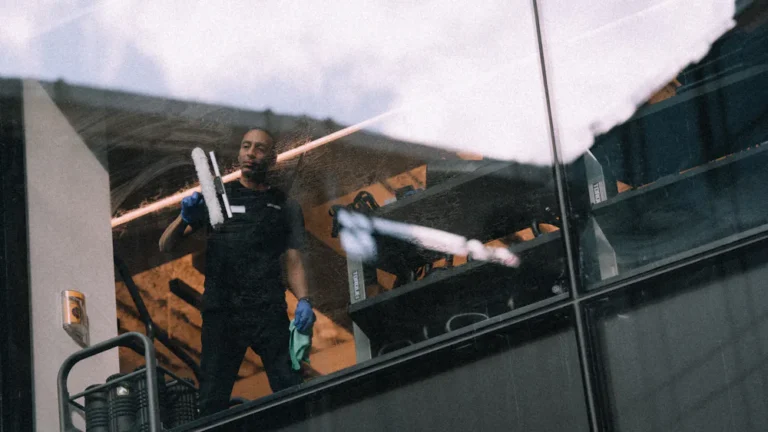
Start at the top corner and pull the squeegee across or down in a single steady stroke, slightly overlapping the previous pass. Wipe the blade with a dry cloth after every stroke so you never drag dirty water back across clean glass.
5. Wipe the edges
Run a dry microfiber cloth around the edges and corners where the squeegee cannot reach. Drips that sit there will run back over the glass as they dry.
6. Buff any leftover marks
If you still see a faint film, buff it with a dry, clean microfiber cloth. Do not spray more cleaner on top of it, which only repeats the problem.
7. Check from an angle
Look at the glass from the side and in different light. Streaks hide head-on and show clearly at an angle, so you can fix them before packing up.
8. Do the second side last
Clean one side with horizontal strokes and the other with vertical strokes. If a streak remains, you will know instantly which side it is on.
Do vinegar, newspaper or glass cleaner work better?
A vinegar solution cuts light film and some mineral spotting, and a commercial glass cleaner works on a fresh, light clean. Neither fixes the real cause, which is leaving residue behind. We compare them in detail in our post on vinegar, Windex and pure water compared.
When to stop and call a professional
DIY works well on a few ground-floor windows. It gets harder with tall or hard-to-reach glass, heavy mineral buildup, or a whole house. Streak-free results on large jobs depend on professional squeegee technique and pure-water systems, and you can read how that works on our how we clean page. If you would rather hand it off, see our residential window cleaning service.
Frequently asked questions
Why do my windows streak even after I clean them?
Usually the cleaner dried before you removed it, you used too much product, or your cloth was dirty. Clean in the shade, use less solution and wipe your squeegee between passes.
Is it better to clean windows on a cloudy day?
Yes. Overcast weather slows drying, which gives you time to remove the solution before it leaves marks.
Should I use a squeegee or a cloth?
A squeegee removes water more completely and is faster on large panes. A microfiber cloth works for small windows and for finishing edges.
Does dish soap leave streaks?
Only if you use too much. A few drops in a bucket of water is enough; more leaves film that causes streaks.
Can hard water cause streaks?
Yes. Minerals left as the water dries show up as a cloudy film. Drying the glass fully with a squeegee prevents most of it, and stubborn spots may need a mineral-removing treatment.